
2026-10-11 · Marcus Rodriguez
How to Check for Roof Leaks After Heavy Rain in San Antonio
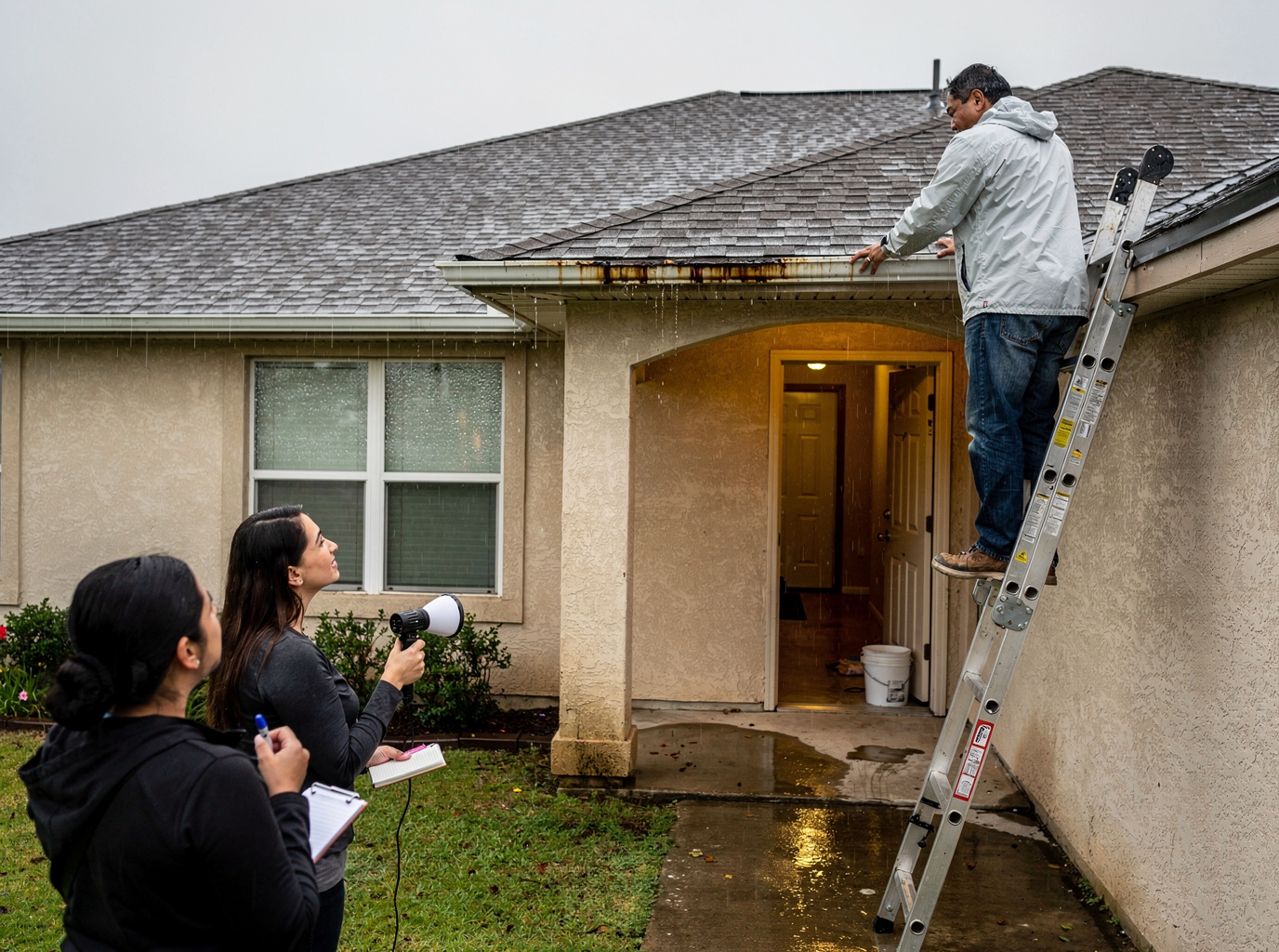
After a heavy rain in San Antonio, checking your roof for leaks is a critical step to prevent extensive water damage to your home. The most effective way to check for leaks is by starting inside your home, looking for tell-tale signs like water stains on ceilings or walls, peeling paint, or damp spots in your attic. Then, if safe, you can conduct a visual inspection of your roof's exterior, focusing on common problem areas like flashing around chimneys and vents, damaged or missing shingles, and clogged gutters. Addressing these issues promptly, especially in the 78254 area where sudden downpours are common, can save you from more significant and costly repairs down the line.
Start Your Inspection Indoors: The Attic and Ceilings
The first and often most revealing place to check for roof leaks after a heavy rain is inside your home, particularly in the attic. Grab a flashlight and carefully inspect the underside of your roof decking, rafters, and insulation for any signs of moisture. Look for water stains, discoloration, or actual drips. Water can travel a significant distance from the actual entry point on the roof before it becomes visible inside, so a stain on your ceiling might originate several feet away. Pay close attention to areas around chimneys, skylights, vents, and pipes, as these are common points of vulnerability. In the living areas, check ceilings and walls for yellowish or brownish stains, peeling paint, or soft, bulging drywall. These are clear indicators of water intrusion, often exacerbated by the humid conditions we experience in San Antonio. Even a small, damp spot can signal a larger problem that needs immediate attention to prevent mold growth and structural damage.
Exterior Visual Check: Safety First
Once you've completed your indoor inspection, and only if it's safe to do so, you can perform a visual check of your roof's exterior from the ground or using a sturdy ladder. Safety is paramount; never get on a wet or slippery roof. From a safe vantage point, look for obvious signs of damage. This includes missing or cracked shingles, especially common after strong winds that accompany San Antonio's thunderstorms. Also, examine the flashing around chimneys, skylights, and vents. Flashing is designed to create a watertight seal, and if it's bent, corroded, or pulling away, it's a prime candidate for leaks. Pay attention to your gutters; if they are clogged with debris, water can back up and seep under your shingles, leading to leaks. A thorough ground-level inspection can reveal many issues without the need to climb onto the roof itself, providing crucial information for a professional assessment. For more detailed guidance on specific issues, refer to our service on missing or damaged roof shingles.
Common Leak Culprits in San Antonio 78254
In the San Antonio 78254 area, certain factors make specific types of roof leaks more prevalent. The intense Texas sun can cause asphalt shingles to deteriorate and crack prematurely, creating pathways for water. Our occasional hailstorms, though sometimes localized, can severely bruise or puncture shingles, leading to leaks that might not be immediately obvious but become apparent after heavy rain. Furthermore, the older housing stock in some parts of San Antonio, including neighborhoods like Stillwater Ranch and Kallison Ranch, often have roofs that are nearing or have exceeded their expected lifespan of 15–20 years for asphalt shingles, making them more susceptible to leaks. Improperly installed or aged roof flashing is another frequent culprit, particularly where the roof meets a wall or around roof penetrations. Understanding these common issues specific to our local climate and housing types helps homeowners in the San Antonio 78254 area know what to look for and when to call for professional help. If you suspect a leak after rain, our roof leaking after rain service addresses these precise concerns.
What to Do When You Find a Leak
Discovering a leak can be alarming, but acting quickly can minimize damage. If you find water actively dripping, place a bucket or container underneath to catch the water. If the leak is in your attic, try to determine if the water is collecting in the insulation. If so, carefully remove the wet insulation to allow the area to dry and prevent mold growth. Do not attempt to patch a leak yourself unless you have experience and the necessary safety equipment; temporary fixes often fail and can worsen the problem. Document the leak with photos or videos, noting its location and any visible damage. This documentation will be helpful when you contact a professional. Even if the leak seems minor, it's crucial to have it inspected by a qualified local roofing company like Roof Shield San Antonio. We are based right here at 10529 Stone Creek Pl, San Antonio, TX 78254 and understand the unique challenges of our local weather patterns and housing structures. Ignoring a small leak can lead to significant structural damage, mold, and costly repairs down the road, making a timely roof damage assessment essential.
When to Call a Professional for Roof Leak Repair
While a DIY inspection can help you identify potential issues, diagnosing the exact source of a roof leak and repairing it effectively often requires the expertise of a professional roofing contractor. If you've identified signs of a leak, or even suspect one, it's time to call in the experts. Professionals have the tools, experience, and safety equipment to safely access and thoroughly inspect your entire roof, pinpointing the precise entry point of the water. They can assess the extent of the damage, both visible and hidden, and recommend the most appropriate and durable repair solutions. For residents in San Antonio 78254 and surrounding areas like Bricewood and Rosemont Hill, getting a timely professional assessment can prevent minor leaks from escalating into major structural problems. Don't wait for another heavy rain to confirm your suspicions; proactive roof leak repair can save you thousands in potential water damage and ensure the longevity of your home's most important protective barrier. You can learn more about related expenses in our article on Cost Factors for Roof Repair in the 78254 Area.